

The Importance of Fascia and Soffit Repair
The fascia and soffit boards on your roof shield the ends of the rafters and trusses from water damage. They also support gutter systems. repairmywindowsanddoors should inspect any damage to the roof structure.
The soffit and fascia are usually a sign that moisture is causing structural problems elsewhere. These boards are crucial to the health of your home.
Wood
Fascia boards are long wood pieces fixed at the top of roof trusses in order to give an attractive finishing look to your home and shield it from weather damage. It is made from cedar, redwood, or pine and can be painted or primed to enhance the appearance of your home. Wood fascias are regarded as the most versatile material to use for roofing and provide an organic rustic, classic or traditional style to your home. They are strong and easy to install, but they require regular maintenance because wood rots in damp environments.
Soffits and fascias aid in air ventilation, allowing the hot air that is inside your home to rise up through your attic space and be replaced with cooler, fresh air. If you don't have enough ventilation your roof could overheat and create condensation, which can lead to rot or mold problems. Soffit and fascia should be checked regularly for signs of wear, deterioration or damage, such as cracks, bubbling paint or sagging.
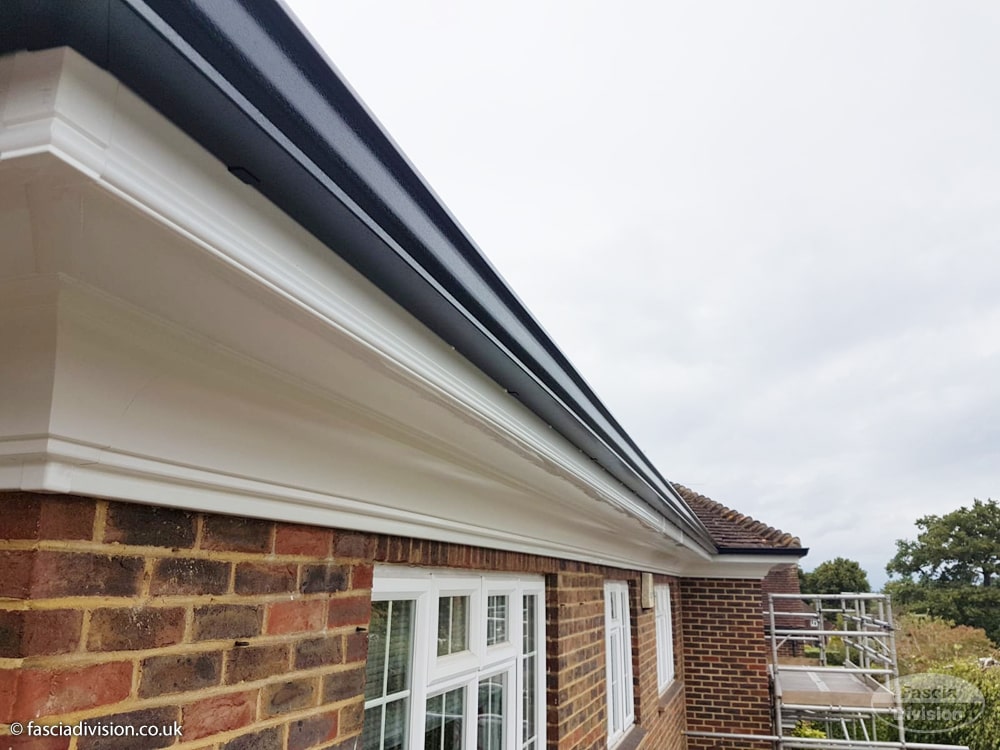
Soffits and fascias that have been damaged must be fixed immediately to avoid water damage to your home or structural damage. The act of fixing them immediately can improve energy efficiency and can also stop overflowing gutters that may cause clogging and create more problems.
Fascia and soffit that are not maintained properly can lead to costly mold growth, water damage or pest infestations within your home. Regular inspections of these essential components can help to prevent any issues and reduce the cost of repairs or replacement in the future.
Soffits and fascias can be found in a variety of materials including wood, vinyl, aluminum and plastic. In general, aluminum and wood are more expensive than vinyl, but they last longer and have a more attractive appearance. Vinyl is the best option for soffit, fascia and keeping snow, rain and rodents from getting into your home and attic. It comes in a range of colors and styles to match any home.
PVC
The fascia and the soffit are crucial elements of your roofline. They shield your home from mould, water pests, and decaying. They also aid in ventilating your attic, and it's essential to check them regularly for signs of wear or damage. It's important to repair your PVC fascias and soffits if you see large holes or fungus.
Unlike traditional wood-made fascia, PVC is resistant to water and other elements of weather. It is durable and is able to withstand the demands of an environment that is humid. This makes it an excellent choice for homeowners. PVC is not only durable however, it also adds aesthetic value to your house. It is available in a wide range of colors and can be painted to match trim. Furthermore, soffit and fascia made from PVC can also lower your energy costs as it is extremely well-insulated.
While it is possible to replace the fascia, without replacing the soffit, it is recommended to inspect and repair both at the same time. This will ensure that both components work harmony to help ventilate and protect the roofline. uPVC is the best option for soffits, fascia and eaves because of its durability and low maintenance costs, as well as its aesthetically pleasing appearance.
You should also hire roofing specialists to inspect and repair your fascia and soffit. They have the necessary experience to spot problems and make repairs swiftly and efficiently. Besides assessing the condition of your roofline, they will also make recommendations about any other repairs required to be completed.
There are a variety of options available for your soffit and fascia It's essential to select the one that best suits your home. Wooden fascia boards give your home a rustic or traditional appearance. They are cheaper than PVC, but they require regular maintenance to protect them from rot and pests. On the other the other hand, PVC is superior to wood in terms of its durability and maintenance costs. PVC is the most preferred material for modern homes, as it offers a sleek, elegant finish and is resistant to rot and moisture.
Aluminum
The fascia is the last line of support for the roof's bottom row tiles or shingles. It also holds the gutters. It's also a noticeable part of the roof, and it's crucial that it appears nice to enhance curb appeal. Since the fascia is exposed to water, it could deteriorate quickly if it's not maintained or replaced in a timely manner. It is important to inspect the fascia frequently for signs of rotting and damage. Repair damaged fascias as soon as possible to prevent leaks and further degrading.
Choosing the right material for your fascia and soffit is essential to protect your home. The material you select will determine how much maintenance you need to do in the future. Whether you opt for vinyl, wood or aluminum, the quality of your soffit and fascia can make all the difference in protecting your home.
In addition to protecting your roof from water damage, the fascia board is also crucial to the ventilation of your home. The soffit helps keep air flowing and lets heat escape the attic, which helps prevent problems like condensation and mold in the home.
Aluminum is among the most durable materials for soffit or fascia. It can withstand extreme weather conditions and is resistant to pests and fires. It's also low-maintenance, and it is easy to clean by using a garden hose.
Although aluminum is more expensive than wood or PVC, it can last up to 25 years and offers many other advantages. It's extremely resistant to rust which means it doesn't require replacing as often as other roofing materials. It comes in a range of colors that complement different styles of homes or external materials.
The soffit, fascia and eaves play an important part in extending the roof's life and forming a stunning exterior for your home. Keeping these structures intact will help protect your roof and ensure that your gutters are working correctly. Any signs of damage must be repaired immediately to avoid further damage and costly repairs later down the line.
Metal
Having well-maintained fascias and soffits can safeguard your home from structural damage, and it can also increase its value in the market. Preventative maintenance and regular inspections are the best way to keep these parts in good shape. Repairing damaged or missing fascia and soffits is crucial to avoid major issues like foundational damage and basement leaks.
Soffits and fascias are vital elements of your roof's structure, providing the roof with ventilation and allowing rainwater flow through the gutter system. They also keep water from causing damage to shingles and roof rafters. If you see signs of peeling paint, rot or cracking paint, the structure may require replacement or repaired.
The most popular material for soffits and fascia is wood, which has traditional design and can be painted to be a match to the other elements of your home. Wooden materials can rot over time and become brittle. They are also susceptible to pests, and require regular maintenance. Many modern homeowners choose PVC or Vinyl because it offers superior moisture protection, and requires less upkeep. However, it is hard to work with in extreme weather conditions and is not as eco-friendly as other options.
Trim and wrap metal are designed to replace the existing boards and act as a protection against pests, moisture, and physical damage. They can be custom-cut to fit the exact dimensions of your exterior features of your home and provide an elegant, seamless appearance. However, it's important to consult an expert to ensure that they are properly installed and are compatible with your home's existing gutters and siding. They should also be sealed to stop moisture from entering.